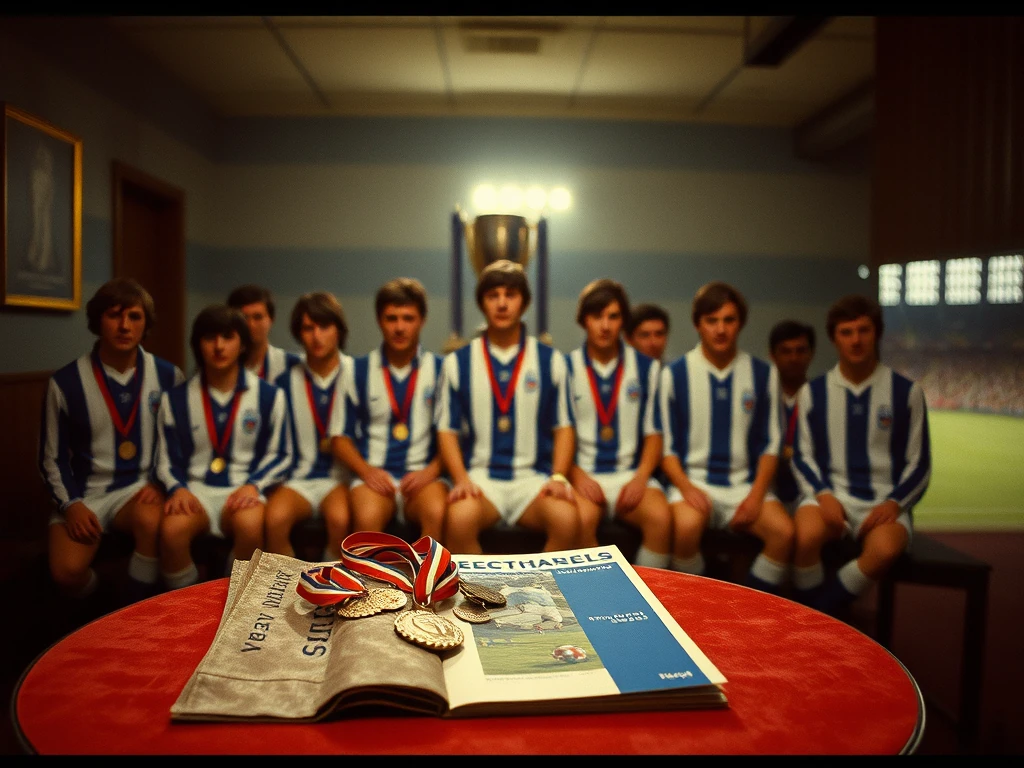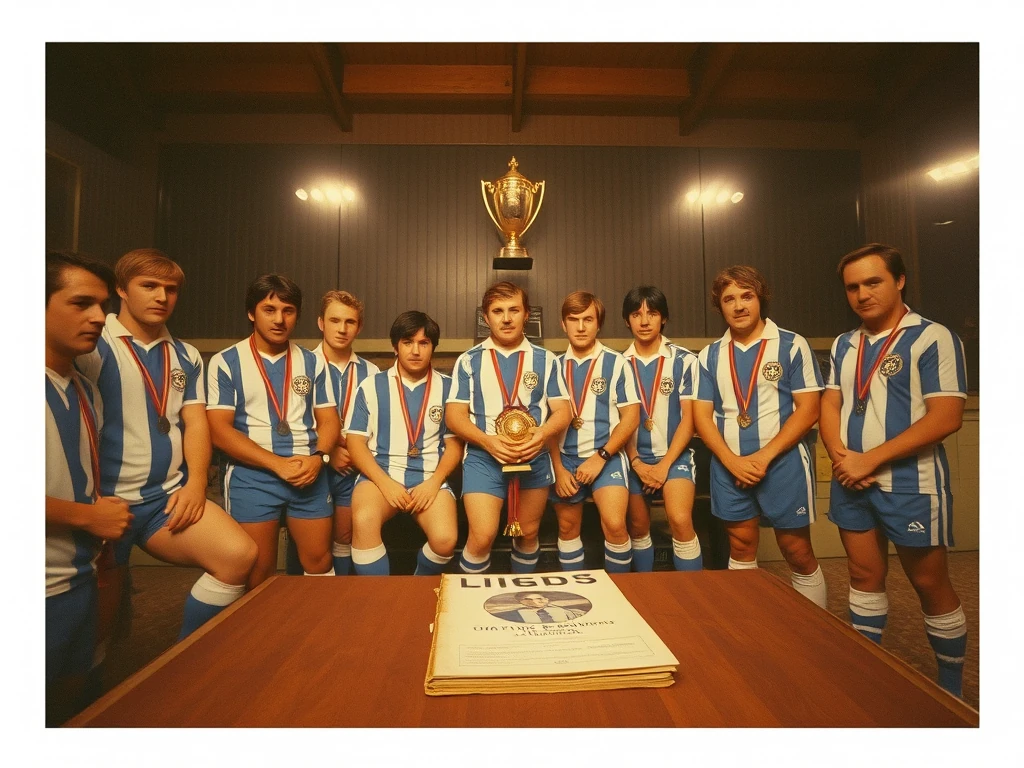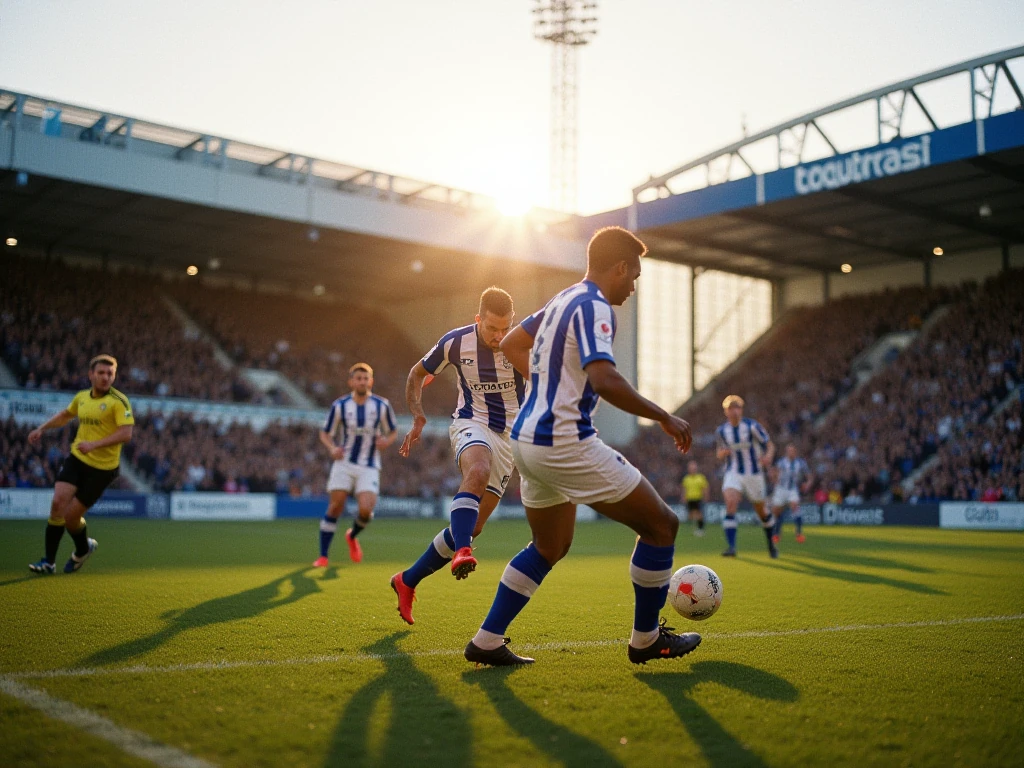
The 1970s were a key decade for Blackburn Rovers, a time when the club faced significant challenges but ultimately laid the groundwork for a resurgence that would define its identity in the years to come. After being relegated from the top flight in 1966, Rovers spent much of the early years of the decade battling in the second tier, struggling to find stability and form. However, the seeds of revival were planted during this period, shaped by a mix of managerial acumen and the emergence of homegrown talent.
In 1971, the appointment of manager Bob Stokoe marked a turning point for Rovers. Known for his tactical knowledge and ability to motivate players, Stokoe's influence was soon felt on the pitch. Under his guidance, the team began to play with renewed vigor, and by the mid-1970s, Blackburn was not only competitive but also a force to be reckoned with in the Second Division. Key players like the talented striker and local hero, Roger Jones, emerged as key figures, bringing both skill and tenacity to the squad.
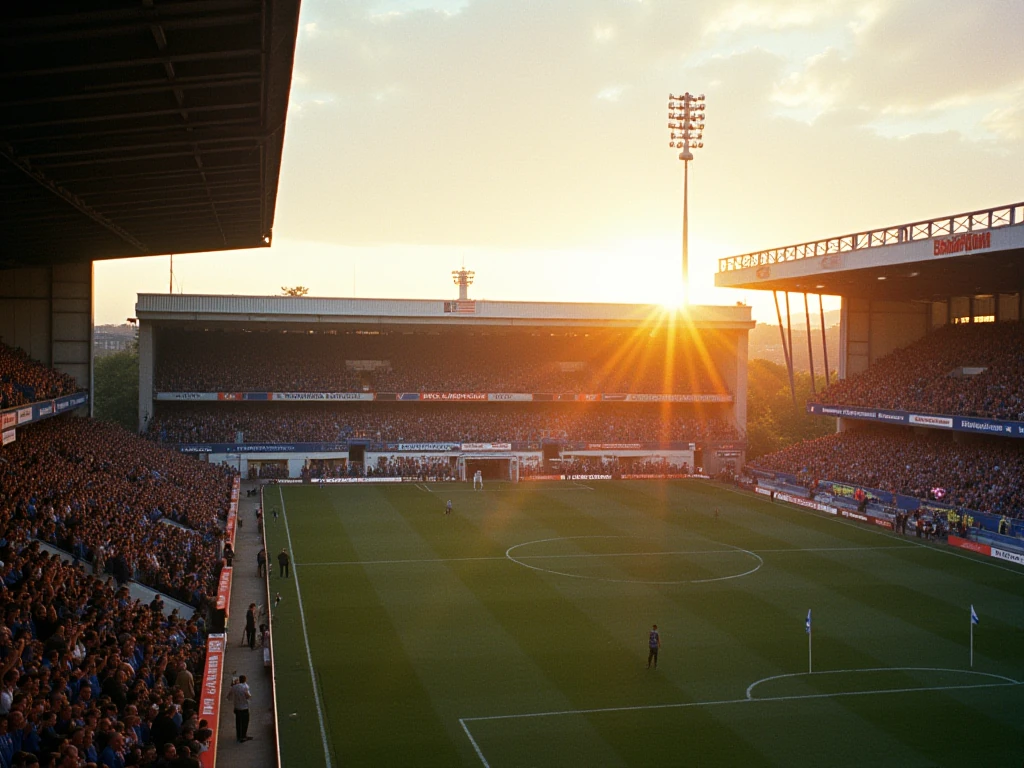
The 1974-75 season is often remembered as one of the most key in the club's history. Blackburn secured a respectable mid-table finish, but more importantly, they began to attract a new generation of supporters who were captivated by the exciting brand of football being displayed. The atmosphere at Ewood Park transformed, with fans returning in droves to support their team, echoing the club's rich heritage and passion.
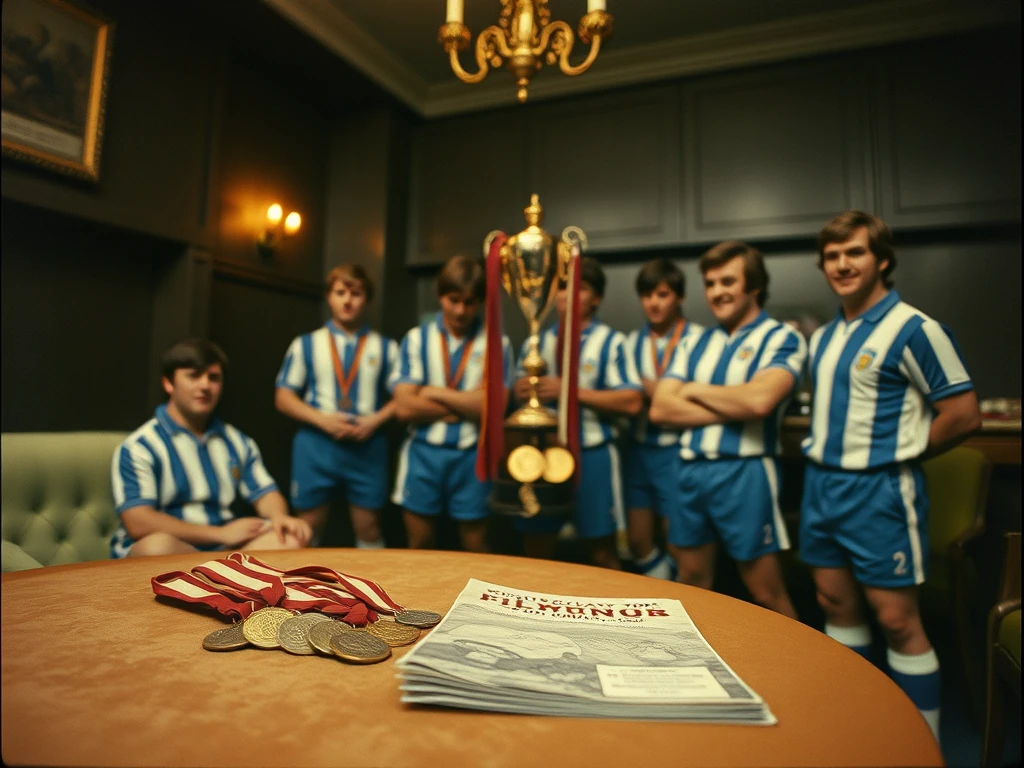
As the decade progressed, Blackburn Rovers continued to build on their momentum, culminating in a remarkable season in 1978-79 where they finished as runners-up in the Second Division. This achievement not only secured promotion back to the top flight but also reignited the club's sense of ambition and purpose. The supporters, who had endured years of disappointment, were finally rewarded with the prospect of competing against the best teams in England once again.
The journey through the 1970s was not without its challenges. The club faced financial difficulties and moments of uncertainty, but the resilience displayed by the players and the unwavering support from the fanbase were instrumental in overcoming these obstacles. The decade forged a bond between the Rovers and their supporters that would last for generations, as chants of ‘Rovers till I die’ became synonymous with the club's identity.
By the end of the 1970s, Blackburn Rovers had transformed from a struggling side into a team with aspirations of greatness. The lessons learned during this tumultuous period would serve as a foundation for future successes, including the eventual triumph in the Premier League in 1995. The spirit of the 1970s revival remains alive in the hearts of Rovers supporters today, a reminder of the club's rich history and the enduring power of hope amidst adversity.