As the leaves turned in the autumn of 1991, Blackburn Rovers stood at a crossroads. The club had endured a tumultuous few years, but the appointment of Kenny Dalglish as manager heralded a new era, one that would redefine the club’s trajectory in English football.
Dalglish, a name synonymous with footballing excellence, arrived at Blackburn with a wealth of experience from his time at Liverpool. His vision for the Rovers was clear: to instill a winning mentality and to harness the potential of a squad that had gone underappreciated in previous seasons. The transformation began almost immediately, with the team showing a newfound confidence and tactical discipline that had been absent for far too long.
The 1991-92 season was the last before the formation of the Premier League, and it proved to be a watershed moment for the Rovers. With the likes of Alan Shearer, a young and hungry striker, and the commanding presence of defender Colin Hendry, the squad began to gel into something special. The blend of youthful exuberance and seasoned experience created a potent mix that would soon capture the hearts of fans.
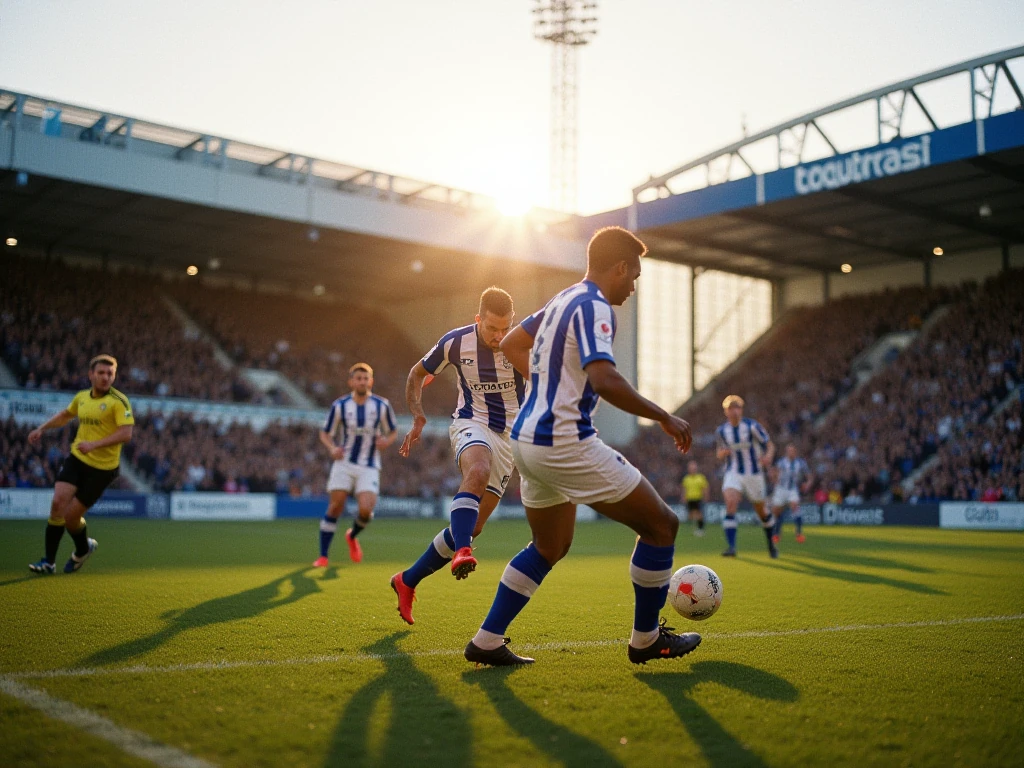
Throughout the season, Blackburn exhibited a style of play that was both attractive and effective. The team attacked with pace and purpose, often overwhelming opponents with their flair and tenacity. Shearer quickly emerged as the focal point of the attack, scoring key goals that would elevate the club's status within the league. His partnership with fellow forward Mike Newell proved lethal, consistently troubling defenses across the division.
However, it wasn't just the attacking prowess that set Blackburn apart in that season; the defensive unit, marshaled by Hendry, provided the backbone necessary for any successful campaign. Their ability to absorb pressure and launch counter-attacks became a hallmark of the Rovers' style.
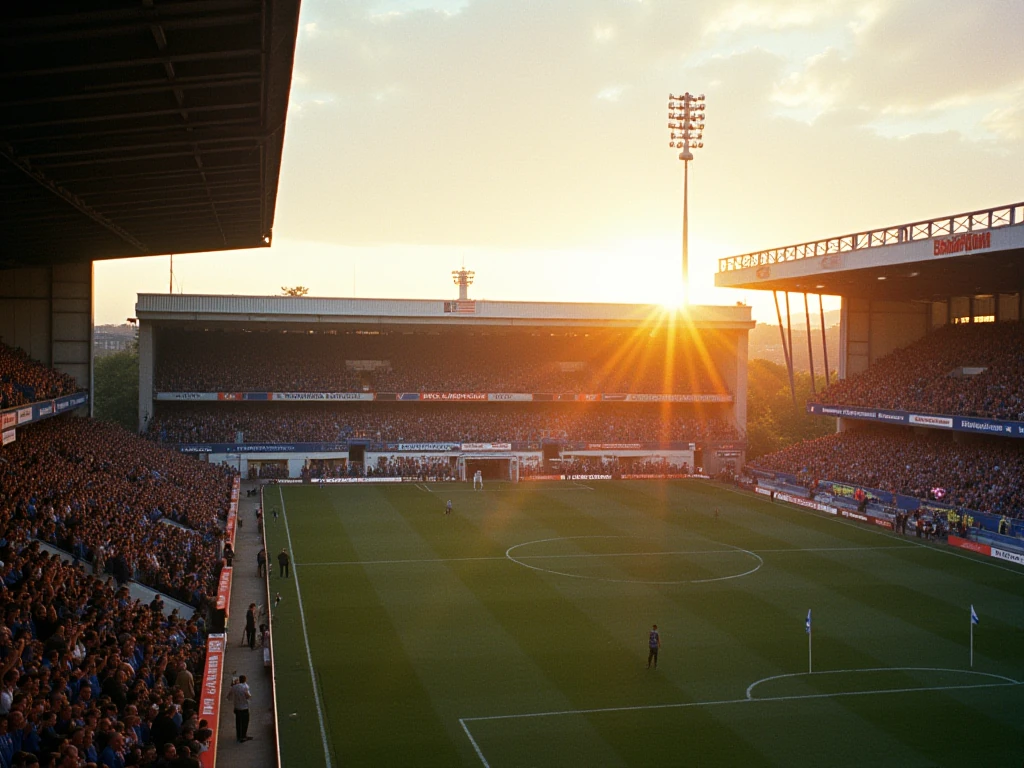
As the season progressed, Blackburn climbed the table, positioning themselves as serious contenders for promotion. The atmosphere at Ewood Park grew electric, with fans rallying behind the team, inspired by the attacking football and resilience on display. Each match felt like a celebration, with the support unwavering as the Rovers fought to reclaim their place among England's elite.
The climax of the season came in the form of the playoffs, a test of nerves and skill that would determine whether Blackburn could complete their transformation. The journey was fraught with tension, but the resolve shown by Dalglish's men was remarkable. The playoff matches showed the best of Blackburn-intensity, skill, and an unyielding desire to win.
While the team ultimately fell short of achieving their Premier League dream that season, the foundations were firmly laid. The 1991-92 campaign not only reignited hope among the fanbase but also established a belief that Blackburn Rovers could compete at the highest level. What followed in the years to come was a sign of the groundwork laid during this major season.
The memories of that season remain vivid for many supporters, a time when the Rovers began to reclaim their rightful place in English football. As we reflect on this notable moment in the club's history, it serves as a reminder of the importance of vision, leadership, and the undying spirit of Blackburn Rovers.