
Introduction
As Blackburn Rovers handle the Championship season, recent performances have highlighted both strengths and weaknesses that could benefit from tactical adjustments. While the team has made strides, fine-tuning certain aspects of their play could be the key to achieving more consistent results and pushing for playoff contention.
Current Tactical Setup
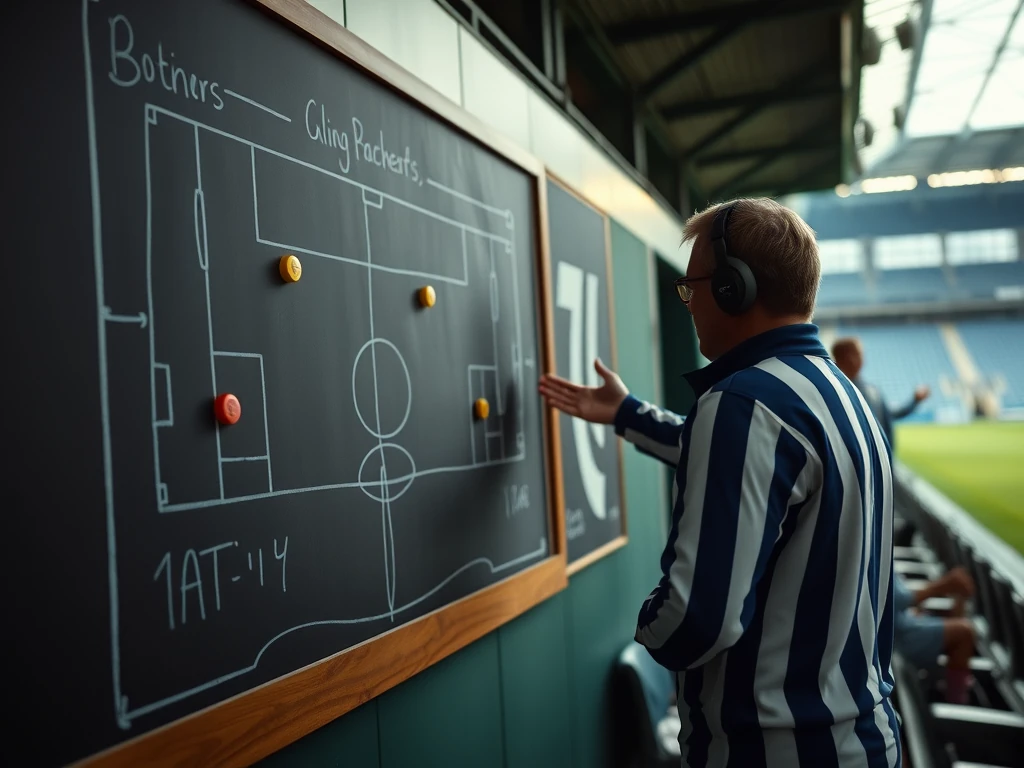
Under the guidance of their coaching staff, Blackburn typically employs a 4-3-3 formation that allows for both attacking fluidity and defensive solidity. The front three, often featuring pacey wingers and a dynamic striker, have shown promise in breaking down opposition defenses. However, the midfield has at times struggled to dictate the tempo of the game, leading to periods of frustration and missed opportunities.
Midfield Dynamics
One area that stands out for potential improvement is the midfield's link-up play. Currently, Blackburn relies heavily on the number 10 role to create chances, but the lack of support from deeper midfielders has led to isolation for the attacking players. Introducing a more fluid midfield structure, perhaps by shifting to a 4-2-3-1 formation, could alleviate this issue. This adjustment would allow two holding midfielders to provide a stronger base, enabling the attacking midfielder to operate with more freedom and access to the ball.
Defensive Solidity
Defensively, Rovers have shown resilience, but inconsistency in marking during set pieces has been a concern. A slight tweak in the defensive approach, such as implementing a zonal marking system during corners and free-kicks, could enhance their ability to neutralize threats. Additionally, encouraging the full-backs to maintain a more disciplined position when the team is in an attacking phase can provide added protection and prevent counter-attacks from the opposition.
Pressing and Transition Play
Another critical aspect of Blackburn's tactical approach is their pressing system. The team has occasionally struggled to maintain intensity throughout the match, leading to lapses that opponents have exploited. To address this, emphasizing a collective pressing strategy where all players engage the opposition in a coordinated manner could improve ball recovery and create more goal-scoring opportunities. Also, focusing on quick transitions after regaining possession can catch opponents off guard and capitalize on their disorganization.
Use Squad Depth
With a mix of youthful energy and seasoned professionalism in the squad, Rovers have the depth to rotate players effectively. Integrating fringe players who have shown promise in training into the starting lineup could create healthy competition and freshen up the team’s dynamics. Players such as John Buckley and Sam Gallagher have the potential to make significant impacts if given the chance, especially in a more flexible tactical setup.
Conclusion
As Blackburn Rovers strive for success in the Championship, these tactical tweaks could be key in refining their overall performance. By enhancing midfield dynamics, solidifying defensive strategies, and maximizing the squad's depth, Rovers could find the consistency needed to challenge for promotion and make a strong statement in the league. The upcoming fixtures present an excellent opportunity for the coaching staff to implement these adjustments and see how they translate on the pitch.