The 1950s: A Decade of Transformation for Blackburn Rovers
The 1950s stand out as a key decade for Blackburn Rovers, ushering in a period of transformation that would shape the club's identity for generations. After the tumultuous years following World War II, the Rovers began to redefine their status in English football, setting the stage for a resurgence that fans still reminisce about.
In the early part of the decade, the club was grappling with the aftermath of the war, which had disrupted not only the team's performance but also its financial stability. However, with the return of league football in 1946, Blackburn aimed to rebuild and reclaim its position as one of the nation's footballing heavyweights. Under the management of the legendary Jack Walker, the groundwork for future success was laid. Walker’s emphasis on youth development and local talent would soon pay dividends, as the club began to nurture a crop of players who would become household names.
By the mid-1950s, Blackburn Rovers had begun to flex their muscles in the Second Division. The introduction of stars like Ronnie Clayton and Gordon Hurst revitalized the squad, leading to an impressive series of performances that saw the team push for promotion. The atmosphere at Ewood Park became electric, as supporters rallied behind their team, fostering a sense of unity and pride among the fanbase.
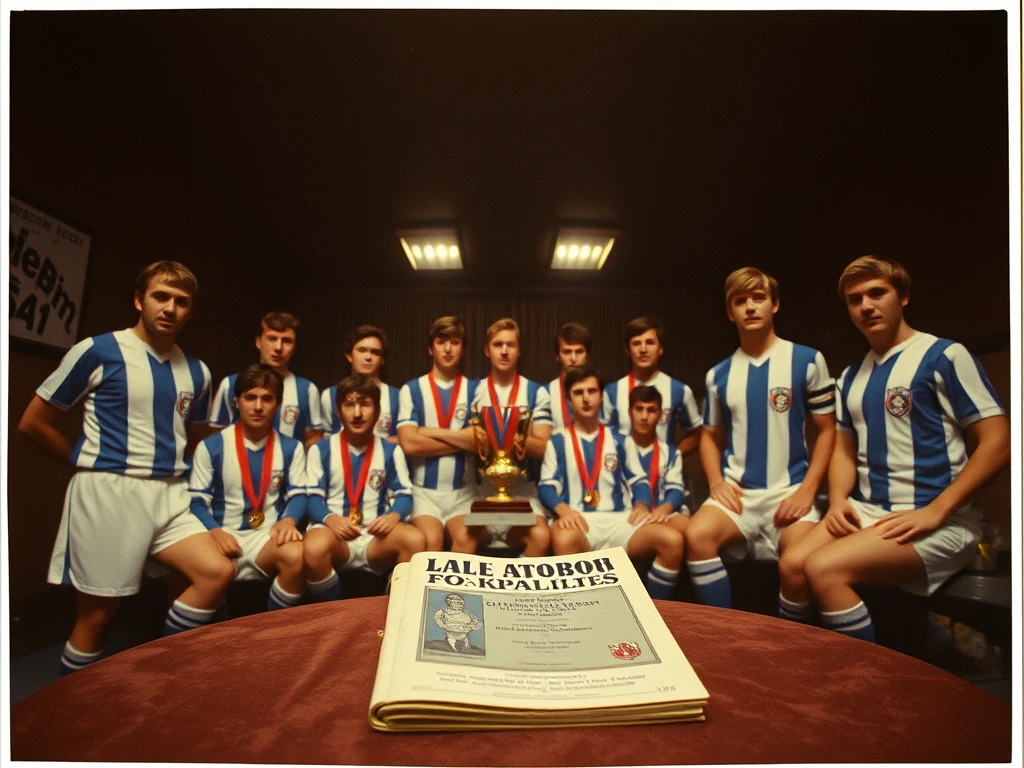
A defining moment arrived in 1958 when Blackburn clinched the Second Division title, securing their return to the top tier of English football. This achievement was monumental, not only for the players but for the loyal supporters who had endured difficult years. The promotion was a sign of the club’s resilience and the hard work put in by management and players alike.
Following their promotion, the late 1950s saw Rovers compete in the First Division with a renewed sense of ambition. They faced tough competition but the foundations laid in the previous years allowed them to hold their own against some of the league's giants. Matches against rivals such as Burnley were particularly intense, with the fierce rivalry adding an extra layer of excitement to the fixtures that thrilled the fans.
Off the pitch, the club's administration was equally focused on modernizing facilities and improving the overall experience for fans. The late 1950s witnessed significant investment in Ewood Park, enhancing it into a venue that could accommodate the growing number of supporters eager to see their beloved Rovers in action. The changes made during this period helped to solidify the bond between the club and its fanbase, ensuring that the Rovers were not only a team but a vital part of the community.
As the decade closed, Blackburn Rovers stood at a crossroads, having transformed from a club struggling to find its footing into a competitive force in English football. The legacy of the 1950s would pave the way for future successes, including the glorious FA Cup victory in 1960. For the current generation of Rovers fans, the 1950s represent a time of renewal and optimism-a spirit that still echoes through the stands at Ewood Park today.
In retrospect, the 1950s were more than just a decade; they were a sign of the enduring spirit of Blackburn Rovers. The foundations laid during these major years continue to inspire the club as it seeks to reclaim its place among the elite of English football.